
Best Excursions for Kids in Punta Cana by Age
Age-by-age guide to Punta Cana excursions — what works for babies, preschoolers, school-age kids, tweens, and teens, plus what to skip.
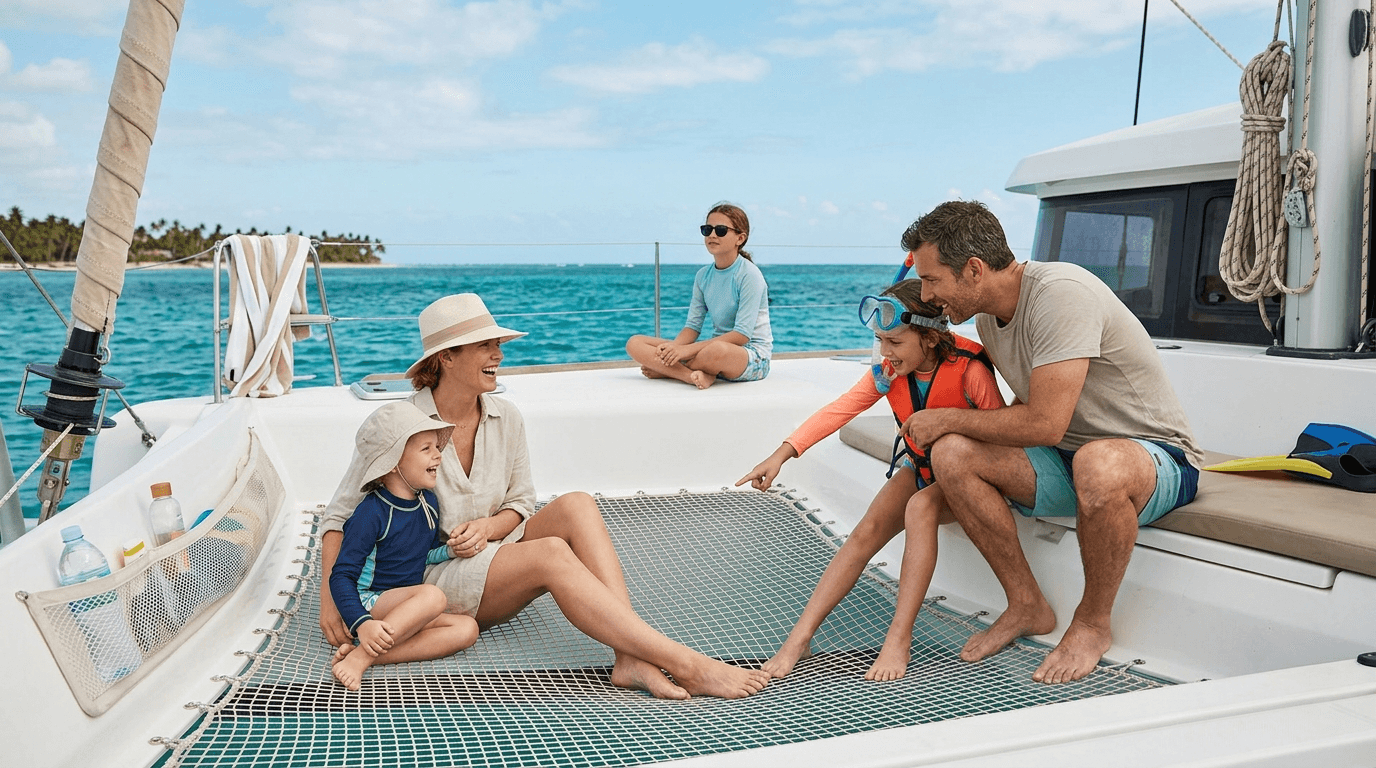
Picking the right excursion for your child's age is the difference between a memory they'll talk about for years and a hot, bored, tearful afternoon. Punta Cana has dozens of excursions on offer, but the marketing makes most of them sound family-friendly when only some actually are. This guide breaks down which trips work at which ages, what to expect, and which ones to skip until kids are older. It's written from real experience with hundreds of families.
If you'd like specific recommendations based on your kids' ages and personalities, contact our team — we coordinate family trips constantly and know which excursions actually deliver for which age groups.
How to Think About Picking Kid Excursions
Three factors matter more than the excursion description: duration, structure flexibility, and physical demands. A two-hour catamaran trip is different from an eight-hour Saona Island day. A trip you can leave when the kid melts down is different from one you're locked into. An activity that requires the child to walk for an hour is different from one where they sit in a boat. Most family-trip disasters come from underestimating one of these three.
The other big factor is your specific kid. Some 4-year-olds handle a full day of beach travel beautifully; others would struggle with two hours of structured activity at age 6. You know your child better than any guide. Use the age ranges below as general starting points, then adjust based on what you know about your specific child's stamina, sensory needs, and comfort with new environments.
Ages 0 to 2 (Babies and Young Toddlers)
Excursions at this age are about getting the parents some variety, not entertaining the baby. The baby will sleep, look around, eat, get carried, and mostly do what they would do at the resort, just somewhere else. The goal is short, calm, and easy to bail out of.
What Works
- Short catamaran sails (2 to 3 hours): Calm seas, shaded boats, parent holds baby, brief swimming stop. Avoid the longer party-boat trips.
- Beach club day passes at calmer beaches: A change of scenery without locked-in structure.
- Resort hopping for lunch at a sister property: If your resort has affiliated properties with day-pass privileges, this counts as an excursion at this age.
- Private guided drives: A 2 to 3 hour scenic drive with a stop or two. The car is air-conditioned, the baby naps in the car seat, parents see something new.
What to Skip
All-day Saona trips (too long), buggy and quad tours (vibration, dust, no infant safety provisions), zip-lining (impossible at this age), parasailing (age and weight restrictions), horseback riding (age restrictions), party catamarans (loud music, lots of drinking, not a baby environment). Anything billed as adventure is built for older kids and adults.
Ages 3 to 5 (Preschoolers)
This age has personality and stamina but limited attention span. They want to do things but lose interest quickly. The best excursions for this age have short bursts of activity broken up by snacks, scenery, or rest.
What Works
- Half-day catamaran with snorkel stop: Kids can splash in the natural pool, see fish through a mask, and be back at the resort for nap. About 3 to 4 hours total.
- Saona Island day trips (with caveats): Works for resilient 4- and 5-year-olds, especially if you choose the catamaran option (more space to move) over the speedboat option (jarring ride). Be prepared with snacks, sunscreen, and a willingness to leave early if needed.
- Cap Cana beach club day: A nicer beach than the resort, with food, shaded lounging, and shallow water for splashing.
- Manatí Park or similar animal experiences: Children at this age love seeing animals. Manatí Park near Bávaro has dolphins, parrots, snakes, and a small zoo. Half a day works well.
- Short cultural visits to nearby towns: A 2-hour visit to Higüey to see the basilica and try local food can be charming, but only if you build in playground time or other kid-relevant breaks.
What to Skip
Quad bikes and buggies (still too rough and the seating isn't designed for small bodies), zip-lining at most operators (height and age restrictions), long fishing trips, all-adult party boats, anything with strenuous hiking or walking on uneven ground for more than 30 minutes.
Ages 6 to 9 (Early School Age)
Now things get interesting. Kids at this age can engage with most family excursions meaningfully. They can swim, listen to brief instructions, hold attention for several hours, and remember the experience clearly afterward. This is the sweet spot for many of the classic Punta Cana excursions.
What Works
- Full-day Saona Island trips: Works well for most 6+ kids. The boat ride, beach time, lunch, and natural pool stop give variety. Bring snacks for between activities.
- Snorkeling at calm reefs: With a basic snorkel set sized for kids, this age can genuinely enjoy seeing fish. Several Punta Cana operators run snorkel-specific trips with shallow, calm spots ideal for beginners.
- Catalina Island day trips: Similar structure to Saona but with better snorkeling at this age.
- Hoyo Azul cenote at Scape Park: A spectacular freshwater cenote in a jungle setting. Kids love it. The hike in is short and manageable.
- Zip-lining at family-rated operators: Several operators have age- and weight-rated lines safe for kids from 6+ depending on size. Confirm the safety setup before booking.
- Horseback riding (calm, guided trail rides): Many operators take kids from age 6 or 7 on short, slow trail rides. A guide leads the horse and the experience is more pony-ride than serious riding.
- Sport fishing if the parent is keen: A 4-hour mahi-mahi trip works for engaged 8 and 9 year olds. Bring snacks and entertainment for slow patches.
What to Skip
Quad/buggy still gets a yellow light at this age — the rough ride and dust aren't great, and some operators have age minimums of 8 or 10. Long deep-sea fishing days (8+ hours) are usually too much. Most adventure activities marketed to adults are still ahead of this age.
Ages 10 to 13 (Tweens)
Tweens are wonderful excursion partners. They can do almost everything an adult can, they have stamina for full days, they can swim and snorkel independently with supervision, and they're old enough to actually engage with cultural and natural content. They're also old enough to develop preferences — some will love active excursions, others want beach time and chill activities. Ask what they want, don't assume.
What Works
- Buggy and quad bike tours (with safety attention): Now appropriate for most tweens. Look for operators with helmets, proper safety briefings, and routes that don't go on public roads. A 3 to 4 hour tour through the countryside is memorable for this age.
- Snorkeling and diving experiences: Discover Scuba programs accept kids from age 10 in most cases. Bayahibe and Catalina reefs offer excellent introductory dives.
- Zip-lining and aerial adventure parks: Scape Park, Anamuya, and similar operators have impressive ziplines that tweens enjoy. Most have minimum weights around 25 kg, easily met at this age.
- Deep-sea fishing: A half-day mahi-mahi or marlin trip is now a real shared experience. Tweens who don't get seasick often love it.
- Cenote and cave tours: Hoyo Azul or Scape Park's underground river network is genuinely impressive at this age.
- Bavaro Adventure Park and similar adventure parks: Multiple activities in one location work well for tweens with varied interests in a group.
- Catamaran party trips during the day: Quieter daytime versions of catamaran tours (some operators offer family-rated versions) work well; avoid the booze-cruise versions.
What to Watch For
Sun exposure and sunscreen application — tweens often resist reapplying sunscreen and end up burned. Hydration during active excursions. Sea-sickness risk on fishing trips for kids who haven't experienced it before. Phone/tablet boundaries during the excursion — many tweens default to screen time and miss the experience.
Ages 14 to 17 (Teenagers)
Teenagers can do everything an adult can on a Punta Cana excursion. The question is whether they want to do it with their family. Most teenagers can be motivated by genuinely interesting activities (diving, ziplining, sport fishing, sailing instruction) and demotivated by activities marketed at younger kids or by repetitive resort routines. Ask their opinion; involve them in choosing.
What Works
- Full PADI Discover Scuba or even Open Water certification: A teen who learns to dive in Punta Cana takes home a real skill. Multi-day certification courses work for older teens with vacation time.
- Surf and kitesurf lessons: Cabarete (about 4 hours north) is one of the world's best kite spots; closer to Punta Cana, Macao has decent surf with lessons available.
- Adventure activities at full intensity: Ziplines, advanced quad/buggy routes, ATV beach safari combos.
- Sport fishing for marlin or mahi-mahi: Full-day charters now within range for stamina.
- Sailing lessons or chartered sail experiences: Some operators offer hands-on involvement that's genuinely educational.
- Independent beach days at non-resort beaches: Beach clubs at Cap Cana or Macao offer change of scenery; older teens can be given more independence.
- Cooking classes or cultural experiences: Some resorts and outside vendors offer Dominican cooking, mixology, or merengue classes.
Motivation Strategies
Frame excursions as opt-in rather than mandatory family time. Let the teen pick from a curated set of options that suit them. Avoid scheduling so much that there's no time for them to just chill. Many family vacations to Punta Cana succeed at this age when teens have one or two real adventure highlights plus generous beach and pool time at the resort.
Multi-Age Family Considerations
Families with kids spanning multiple age groups face the hardest scheduling challenge. The classic problem: a 4-year-old needs naps and short activities, while a 12-year-old wants zip-lining and snorkeling. A few strategies help.
Split the Family
One parent does the active excursion with the older kid while the other parent has a beach-and-pool day with the younger child. This is often the path of least resistance for trips with significant age spreads. Plan one or two excursions per parent rather than one big family expedition.
Choose Excursions With Variety
Saona Island day trips work for wide age ranges because there's beach for the younger kids, snorkeling for the older, boat time, lunch — different things for different kids. Catamaran trips with snorkel stops similarly accommodate a range.
Private Excursions
If the budget allows, a private excursion (just your family, dedicated guide and vehicle) lets you customize for your specific group. Younger kid melts down? You can return early. Older kid wants more snorkeling? You can extend. The group flexibility costs more but eliminates a lot of friction.
Practical Tips That Apply to Every Age
- Bring snacks — even on "food included" excursions, snack timing rarely matches kid hunger.
- Bring water bottles — refillable, every person gets one labeled.
- Sunscreen before you leave — reapply at every transition (boat to beach, beach to lunch).
- Plan the toilet — know where it is on the boat, at the beach club, in the buggy area.
- Cash for tips — small bills for guides, drivers, crew.
- Phone with photos of allergies in Spanish — useful if a child has food allergies and you're not fluent.
- Backup clothes in a dry bag for boat trips.
How to Book Kid-Friendly Excursions
Where you book matters as much as which excursion you pick. The same trip can be a great experience or a stressful one depending on how the operator handles families. A few principles save trouble.
Skip the Beach Hawkers
People selling excursions from the beach or pool deck at resorts often quote prices significantly below the legitimate operator rate, but the trip you actually receive can vary widely. Sometimes it's fine; sometimes the boat is overcrowded, the safety equipment is missing, the lunch is skipped, the return time is two hours later than promised. The risk-to-reward for families specifically isn't worth the savings. Book through your hotel concierge, an established operator's website, or a known travel agent.
Read Recent Family Reviews
When researching, filter reviews to those mentioning children. A trip rated 4.5 stars overall might still be terrible for families if the average reviewer is a 30-year-old couple. Look specifically for what families say about timing, crew patience with kids, restroom access, food options for picky eaters, and whether the operator allowed flexibility (returning early, adjusting plans). This is the most reliable predictor of whether the trip will work for your group.
Confirm Ages and Restrictions Before Booking
Age minimums vary by activity and operator. The same activity at two different operators can have different age cutoffs (one allows 6, another requires 10). Confirm before paying any deposit. Also confirm child pricing — most reputable operators charge significantly less for children under 12, but you have to ask.
Ask About Group Size
A catamaran with 12 guests is a very different experience from one with 60. For families with small kids, smaller groups mean more attention from crew, more space to move, less stress. Group-size matters more than vessel size; ask what the actual passenger count will be on your specific date.
Common Excursion Concerns for Families
Motion Sickness
Some kids are prone to seasickness; some aren't. If you don't know, do a short test outing (a 30-minute boat ride at the resort marina) before committing to a 4-hour open-water trip. Effective preventives include children's dimenhydrinate (Dramamine for Kids, dosed by weight), ginger candy, and acupressure wristbands. The non-medical version: position the child mid-boat where there's less motion, look at the horizon not at the boat, and avoid heavy meals before sailing. Boats with cabins and shade are easier on prone-to-seasickness kids than open speedboats.
Bathroom Access
Catamarans and larger boats have basic marine toilets that work but aren't always pristine. Speedboats often have no bathroom at all — for a 90-minute speedboat ride to Saona, plan accordingly. At the destination islands, public toilets exist but vary in quality. For kids in late toilet-training stages, a small portable potty or pull-up underwear for boat days reduces stress significantly. Snorkeling stops are a good moment to encourage a bathroom break.
Sun and Heat
Caribbean midday sun is intense. On excursions, kids get more exposure than they do at the resort because there's less shade, more reflection off water, and longer continuous time outside. Hat with a chin strap, UV swim shirt, mineral sunscreen reapplied at every transition, water bottle, and a small shade towel or umbrella all help. Watch for the early signs of heat exhaustion in younger kids: unusual tiredness, irritability, refusing food. If you see these, get the child into shade and cool water immediately.
Final Thoughts
Picking the right excursion at the right age is one of the highest-leverage decisions in family travel. A well-matched trip becomes a core memory; a mismatched one becomes "that time we should have stayed at the resort." Use this guide as a starting point, factor in your specific child's stamina and interests, and don't overschedule.
If you'd like help matching excursions to your specific family configuration, contact us with your kids' ages, the dates of your trip, and what your group generally enjoys. We do this every day with families from around the world and can recommend trips that we know work, not just trips that exist.