
Punta Cana Airport Survival Guide: Arrival, Departure, and What to Expect
Everything you need to know about Punta Cana Airport (PUJ) — arrival process, immigration, transfers to hotels, departure tips, and how to avoid the long lines.
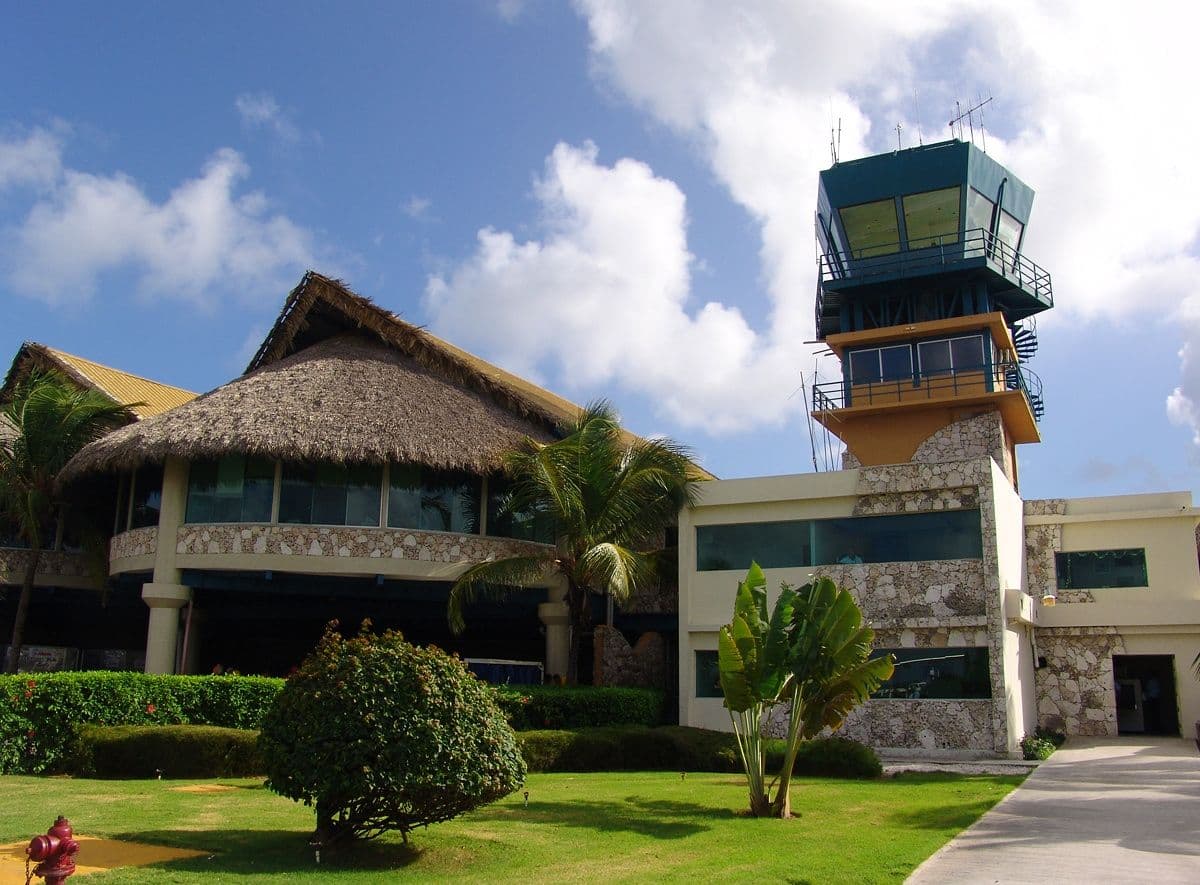
Punta Cana International Airport (PUJ) is one of the most-trafficked airports in the Caribbean, handling over eight million passengers a year. For first-time visitors it's a strange-looking place — open-air thatched-roof terminals, no jet bridges, mariachi-style greeters at the customs exit, a long walk between gates. It works smoothly if you know what to expect, and it can be confusing if you don't. This guide walks through arrival, departure, transfers, immigration, customs, and the surprises in between.
If you have specific questions about transfers from PUJ to your hotel, or you need to coordinate excursion timing with your flight schedule, our team at Punta Cana Excursions can help with logistics.
About the Airport Itself
Punta Cana International Airport is privately owned (one of the few private international airports in the world) and was built specifically to serve the tourism industry. The architecture is intentional: thatched palm roofs, open-air terminals with natural ventilation, tropical landscaping throughout. It's meant to feel like you've already arrived at a resort. The downside is that on hot or rainy days, the open-air design isn't always comfortable. Bring a light layer for unexpected breezes near the gates, and don't expect heavy air conditioning anywhere outside the duty-free shops.
The airport has two main terminals (A and B). Terminal A handles most North American and European charter flights; Terminal B handles most scheduled commercial flights from major carriers. Both terminals are connected and share customs and immigration facilities. You won't usually need to choose between them — your airline tells you which terminal at check-in.
Arrival: From Plane to Resort
Here's the typical arrival sequence step by step. Knowing it in advance makes the process much faster.
Step 1: Disembarking
Most flights at PUJ park on the tarmac rather than at a jet bridge. You'll walk down stairs from the plane onto the runway and either board a short shuttle bus or walk a short distance to the terminal building. The walk takes a few minutes and is often the first time you'll feel the Caribbean heat — it can be a surprise after the climate-controlled cabin. Move at a comfortable pace; there's no need to rush.
Step 2: Tourist Card and Immigration
Since 2018, the Dominican tourist card is included in your airline ticket price for most nationalities — you don't need to buy it separately. At immigration, present your passport (must be valid for at least six months beyond your travel dates) and your departure flight information. The officer will scan your passport, take a quick photo, and stamp you in. The whole process takes 30 seconds to 2 minutes per passenger. The lines, however, can be long on peak arrival days (typically Saturday afternoons and Sunday mornings). Plan for 30 to 60 minutes in the immigration line on a busy day, 10 to 20 minutes on a normal day.
Step 3: Baggage Claim
After immigration you'll proceed to baggage claim. The carousels are clearly labeled by flight number, and bags typically appear within 15 to 30 minutes of landing. PUJ is not known for fast baggage delivery, so be patient. While you wait, you'll see porters in branded uniforms offering to help carry your bags. They expect a tip — about $2 to $5 USD per bag is standard. You can decline politely if you prefer to handle your own luggage; they'll move on without pressure.
Step 4: Customs Declaration
After collecting bags, you'll pass through customs. Most tourists clear customs without inspection — you walk through, hand in your declaration card (if you filled one out on the plane), and exit. Officers may randomly select bags for X-ray screening or hand inspection, especially if you're traveling with unusual items. Standard customs limits apply: no more than 200 cigarettes or 50 cigars, no more than 2 liters of alcohol, no fresh fruits or meats. Cash exceeding $10,000 USD equivalent must be declared.
Step 5: The Arrivals Hall
Exiting customs puts you in the arrivals hall — a large open area with two distinct vibes. On one side is the official tour operator and resort transfer desks (Apple Vacations, Air Transat, BookIt, etc.), where you check in if you booked your transfer through your travel package. On the other side is the rideshare and independent taxi area, where local taxi drivers will approach you offering rides. Both areas are legitimate, but the experiences are different.
Getting from PUJ to Your Hotel
Pre-Arranged Resort Transfers
If you booked an all-inclusive package, your transfer is almost always included. After clearing customs, look for the desk of your tour operator (the name will be on your booking confirmation), check in with your name, and they'll direct you to a coach bus or van that takes you and several other guests to your resort. The wait can be 15 minutes to over an hour depending on how full your transfer needs to be before departure. The buses are air-conditioned and comfortable but make multiple resort stops, so your specific resort might be the last one — adding 30 to 60 minutes to your transfer time.
Private Transfers
For around $80 to $150 USD round trip, you can book a private transfer directly to your hotel. The vehicle waits for your specific flight (delays are not a problem if the operator has your flight number), goes straight to your resort, and gets you there 30 to 60 minutes faster than the group bus. The cost is per vehicle, not per person, so for a group of three or more it's often only marginally more expensive than the all-inclusive transfer. Private transfers also come with a cold drink and bottled water in the vehicle.
Taxis
Official airport taxis are available in the arrivals hall. The rate to Bávaro resorts in 2025 is approximately $30 to $45 USD one way; to Cap Cana about $25 to $35; to Bayahibe about $90 to $120. Confirm the price with the driver before getting in, and pay at the destination, not in advance. The taxis are generally clean, the drivers are licensed, and the experience is fine — though noticeably less comfortable than a private transfer in a SUV or van.
Rideshare and Uber
Uber technically operates in Punta Cana but is unreliable at the airport itself — the pickup zones aren't well-marked, and local taxi drivers actively discourage Uber pickups in the airport area. For arrivals, stick to a pre-arranged transfer or official airport taxi. Uber works better for short hops within Bávaro once you're at your resort.
Departure: Getting Through PUJ on the Way Home
The departure experience is generally smooth, but there are quirks. Plan to arrive at the airport at least 3 hours before your flight — 4 hours if you're flying on a peak Saturday afternoon. Yes, that's a lot for what should be a 2-hour airport experience, but PUJ moves slowly on busy days and the lines for security can be punishing.
Check-In
Most airlines have counters at PUJ open 3 to 4 hours before departure. The lines move at a moderate pace. Self-service kiosks exist for some carriers but are less reliable than the staffed counters, especially if you have any complications (seat changes, weight issues, multiple passengers). Drop your bags, get your boarding pass, and proceed to security.
Security
Security at PUJ uses the standard international screening procedures — liquids in 100ml bottles, electronics out for X-ray, no obvious sharps. The lines can be very long on peak days. Some travelers report waits of 45 to 60 minutes during the Saturday afternoon peak. Stay patient and have your boarding pass ready. There's no TSA Pre-Check equivalent for tourists, so plan as if you'll be in standard screening.
Departure Tax
The departure tax of $20 USD is now almost always included in your airline ticket. If your airline is one of the rare exceptions, the tax is collected at a separate counter near security. The agents will direct you if needed.
After Security
Once through security, the airside terminal has duty-free shops (Dominican rum, cigars, coffee, and chocolate are the standout buys), several restaurants, and basic Wi-Fi. The Wi-Fi requires registration and is slow but functional. Most gates open about 60 to 90 minutes before flights. Watch the boards closely — gate changes happen and aren't always announced loudly.
Common Mistakes and How to Avoid Them
- Not booking your transfer in advance. Showing up without a plan and trying to figure out transportation in the arrivals hall is stressful and expensive. Book before you arrive.
- Bringing prohibited items. Don't pack fresh fruit, certain meats, or oversized liquids in carry-on bags. Customs will confiscate them and the inspection slows everyone down.
- Underestimating the wait at peak times. Saturday afternoon and Sunday morning are the worst for both arrivals and departures. Plan accordingly.
- Trying to use Uber from the airport. Use official taxis or pre-arranged transfers for arrival; save Uber for trips within Bávaro after you've checked in.
- Not having small bills for tips. Porters, taxi drivers, and other airport workers expect small tips, and trying to break a $50 bill at the airport is awkward.
- Forgetting your departure flight time on the immigration form. The officers want to see your return flight info. Have it ready on your phone.
Special Situations
Traveling with Children
Children are welcome and accommodated at PUJ. Strollers can usually be checked at the gate. Family lines at immigration aren't formal but officers usually wave families through faster. If your child is on the verge of becoming the loudest member of the immigration line, mention it to the officer — they're generally understanding.
Traveling with Disabilities or Reduced Mobility
PUJ has wheelchair assistance available but it must be requested in advance through your airline. The open-air design and longer walks between gates can be challenging for some travelers. Inform your airline at booking and confirm again at check-in. The staff is helpful when you communicate your needs clearly.
Connecting Flights
PUJ has limited domestic connection options. Most travelers arrive directly to PUJ and leave from PUJ — there's no internal connection traffic to worry about. If you're connecting to Santo Domingo or another Dominican city, allow at least 3 hours between flights.
Tips for a Smoother Airport Experience
What to Wear
PUJ is hot and humid year-round. Wear lightweight, breathable clothing for arrival and departure days. Even in winter (December through February), daytime temperatures at the airport are typically 27 to 30 degrees Celsius. If you're flying to a cooler destination, layer up after security rather than wearing heavy clothes through immigration. Closed-toe shoes are practical for the airport walks but flip-flops are entirely acceptable.
What to Carry
Have these items in an easily accessible carry-on: passport, boarding pass (printed or on phone), return flight details, hotel confirmation (immigration sometimes asks for the address), some US dollars in small bills for tips, a credit card, a refillable water bottle (empty through security, fill at fountains airside), sunglasses, and a portable phone charger. Sunscreen and bug spray are useful for the tarmac and outdoor waiting areas.
Wi-Fi and Connectivity
Free airport Wi-Fi requires a brief registration with email and basic info. It's slow but works for messaging, basic browsing, and ride coordination. If you have an international data plan or local SIM card, it'll be significantly faster. Many travelers buy a Claro or Altice SIM at the airport tienda for $10 to $20 USD — they work throughout the country and are useful for taxi coordination, restaurant reservations, and emergencies.
Lounges
PUJ has several airline lounges and one Priority Pass lounge (the VIP Club Lounge). Access is available with eligible credit cards, lounge memberships, or by paying a day rate (typically $40 to $60 USD). The lounges have better Wi-Fi, food, drinks (alcoholic beverages included), and quieter seating than the main terminal. Worth it if you have a long wait or want a comfortable departure setup. The VIP arrival service, available for an additional fee, includes expedited immigration, baggage retrieval, and a private lounge until your transfer is ready — useful for VIP arrivals but not necessary for most travelers.
Pre-Travel Checklist for PUJ
- Passport valid 6+ months beyond your travel dates
- Return or onward flight booked — immigration occasionally checks
- Hotel reservation confirmed and printable
- Tourist card included in your airline ticket (verify if any doubt)
- Transfer arranged before arrival (resort transfer, private, or taxi plan)
- Travel insurance information accessible
- Cash in small bills for tips and small purchases
- Credit card travel notification filed with your bank
- Phone unlocked if planning to use a local SIM
- Medications in original packaging if traveling with prescriptions
Best and Worst Times to Fly Through PUJ
Flight timing matters at PUJ. The airport runs smoothly on most weekdays but struggles during peak weekend turnover, when many resorts have Saturday-to-Saturday or Sunday-to-Sunday booking cycles. If you have flexibility in your booking, here's what works in your favor.
Best arrival times: Monday through Thursday, any time. Friday afternoons. Saturday and Sunday very early morning (before 9 AM) or late evening (after 8 PM). On these slots immigration takes 10 to 20 minutes, baggage moves quickly, and the arrivals hall is calm.
Worst arrival times: Saturday between 11 AM and 5 PM, when most weekly charter flights from the US, Canada, and Europe land in clusters. Immigration can take 60 to 90 minutes and the arrivals hall becomes overwhelming. Sunday late mornings are nearly as bad.
Best departure times: Same logic in reverse. Tuesday or Wednesday departures are smoothest. If you're stuck with a Saturday departure (the most common scenario for all-inclusive packages), arrive at the airport 4 hours before your flight and pack patience. Have water and snacks for the security line.
If Something Goes Wrong
Most trips through PUJ are uneventful, but problems do happen. Here's what to do for the common ones.
Missed Flight
Go directly to your airline's check-in counter and explain. PUJ-based airline staff are generally helpful and will rebook you on the next available flight, though additional fees may apply depending on your fare type. Travel insurance with trip-delay coverage helps significantly here. Don't leave the airport until you have a confirmed new booking.
Lost Baggage
File a missing baggage report at your airline's baggage office in the arrivals hall before leaving the airport. Get a written reference number and a phone number for follow-up. Most lost bags arrive within 24 to 72 hours and the airline delivers them to your resort. Pack one set of essentials (medications, toothbrush, change of clothes, swimsuit) in your carry-on so a delayed bag doesn't ruin your first day.
Health Issues
PUJ has on-site medical staff for minor issues. For anything serious, the nearest full hospital is Hospiten Bávaro about 10 minutes away — your hotel or any taxi driver can get you there. Travel insurance is genuinely useful for the rare medical situation, and Dominican private hospitals expect upfront payment in most cases.
Final Thoughts
Punta Cana International Airport works well once you understand its quirks: open-air terminals, tarmac disembarking, organized chaos in the arrivals hall, slow peak-day lines, and pleasant duty-free shopping for the wait home. Arrive prepared and you'll move through it efficiently. The airport is your first and last impression of the country — show up with realistic expectations and the experience is fine.
If you'd like help coordinating your arrival, your departure, or excursions around your flight times, contact our team with your travel dates and we'll make sure your time in the Dominican Republic starts and ends smoothly. We know this airport well — we've helped thousands of travelers through it.